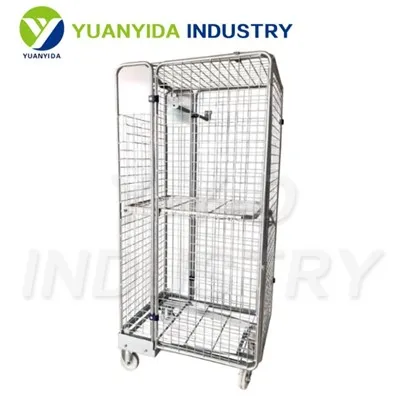
Hey there! As a supplier of Heavy Duty Foldable Storage Cages, I often get asked about how to accurately measure the weight capacity of these nifty storage solutions. It's a crucial question, especially when you're dealing with heavy loads and need to ensure safety and efficiency in your storage operations. So, let's dive right in and explore the ins and outs of measuring the weight capacity of a heavy-duty foldable storage cage.
Why Measuring Weight Capacity Matters
First off, why is it so important to measure the weight capacity of your storage cage accurately? Well, for starters, overloading a cage can lead to serious safety hazards. It can cause the cage to buckle, break, or even collapse, putting your employees and inventory at risk. On top of that, using a cage beyond its weight capacity can also lead to premature wear and tear, reducing the lifespan of the cage and increasing your maintenance costs.
On the flip side, underestimating the weight capacity of a cage means you're not making the most of your storage space. You might end up using multiple cages when one would suffice, which can be a waste of time, money, and resources. So, getting an accurate measurement of the weight capacity is essential for both safety and efficiency.
Factors Affecting Weight Capacity
Before we get into the measurement process, it's important to understand the factors that can affect the weight capacity of a heavy-duty foldable storage cage. These factors include:
- Material and Construction: The type of material used to construct the cage, as well as the thickness and quality of the material, can have a significant impact on its weight capacity. For example, cages made from high-strength steel are generally able to support more weight than those made from lighter materials like aluminum.
- Design and Structure: The design and structure of the cage also play a role in its weight capacity. Cages with a more robust frame and additional support features, such as crossbars or corner braces, are typically able to handle heavier loads.
- Loading Method: The way you load the cage can also affect its weight capacity. For example, evenly distributing the weight across the cage is generally better than piling all the weight in one corner. Additionally, using proper loading equipment, such as forklifts or pallet jacks, can help ensure that the weight is distributed evenly and safely.
Measuring the Weight Capacity
Now that we understand the factors that can affect the weight capacity of a heavy-duty foldable storage cage, let's take a look at how to measure it accurately. Here are the steps you can follow:
- Check the Manufacturer's Specifications: The first step is to check the manufacturer's specifications for the cage. This information should include the maximum weight capacity of the cage, as well as any other relevant details, such as the recommended loading method and the type of materials used in construction.
- Inspect the Cage: Before you start loading the cage, it's important to inspect it for any signs of damage or wear. Look for cracks, dents, or other defects that could affect the cage's structural integrity. If you notice any issues, it's best to replace the cage or have it repaired before using it.
- Determine the Weight of the Load: Once you've inspected the cage and confirmed its weight capacity, it's time to determine the weight of the load you'll be storing in it. You can do this by using a weighing scale or by referring to the product specifications for the items you'll be storing.
- Calculate the Total Weight: Once you know the weight of the load, you need to calculate the total weight of the load and the cage itself. This will give you a more accurate picture of the actual weight that the cage will be supporting.
- Compare the Total Weight to the Weight Capacity: Finally, compare the total weight to the weight capacity of the cage. If the total weight is less than or equal to the weight capacity, you're good to go. However, if the total weight exceeds the weight capacity, you'll need to either reduce the load or use a larger cage.
Tips for Ensuring Accurate Measurements
To ensure that you're getting accurate measurements of the weight capacity of your heavy-duty foldable storage cage, here are some tips to keep in mind:
- Use a Reliable Weighing Scale: Make sure you're using a reliable weighing scale that is calibrated correctly. This will help ensure that you're getting accurate measurements of the weight of the load.
- Follow the Manufacturer's Recommendations: Always follow the manufacturer's recommendations for loading and using the cage. This includes using the recommended loading method, evenly distributing the weight, and not overloading the cage.
- Inspect the Cage Regularly: Regularly inspect the cage for any signs of damage or wear. This will help you identify any issues early on and take appropriate action to prevent accidents or damage to the cage.
- Train Your Employees: Make sure your employees are trained on how to properly load and use the cage. This includes using the correct loading equipment, following the manufacturer's recommendations, and being aware of the weight capacity of the cage.
Conclusion
Measuring the weight capacity of a heavy-duty foldable storage cage accurately is essential for both safety and efficiency. By understanding the factors that can affect the weight capacity, following the proper measurement steps, and using the tips and tricks outlined in this blog post, you can ensure that you're getting the most out of your storage cages and keeping your employees and inventory safe.


If you're in the market for high-quality Heavy Duty Foldable Storage Cages, Euro Stacking Wire Containers, or Heavy Duty Parcel Containers, look no further. We offer a wide range of storage solutions to meet your needs, and our team of experts is always on hand to help you find the right product for your application. So, don't hesitate to get in touch with us to discuss your requirements and start your procurement process today!
References
- Industry standards and guidelines for storage cage design and weight capacity
- Manufacturer's specifications for heavy-duty foldable storage cages
- Best practices for loading and using storage cages safely