


Do hay feeders keep hay off the ground? This is a question that many livestock farmers and animal owners often ponder. As a supplier of high - quality hay feeders, I'm here to delve deep into this topic and provide you with detailed insights based on science, practical experience, and the needs of your animals.
The Problem with Hay on the Ground
When hay is left on the ground, it's exposed to a multitude of problems. Firstly, the ground is often damp, especially in areas with high humidity or frequent rainfall. This moisture can quickly seep into the hay, leading to mold and mildew growth. Moldy hay is not only unappetizing to animals but can also be harmful to their health. Consuming moldy hay can cause respiratory problems, digestive issues, and even more severe health complications in livestock.
Secondly, hay on the ground is vulnerable to contamination. It can pick up dirt, feces, and other debris, which are not suitable for animal consumption. Animals may be less likely to eat dirty hay, leading to wastage. Statistics show that in farms where hay is fed directly on the ground, up to 30 - 50% of the hay can be wasted due to spoilage and contamination.
How Hay Feeders Solve the Problem
Hay feeders are designed to keep hay off the ground and address the issues mentioned above. They come in various types, such as trough feeders, round bale feeders, and net feeders, each with its own advantages.
Trough feeders are a common choice. They are usually made of metal or durable plastic and have a long, narrow shape. The hay is placed inside the trough, and animals can access it from the top. This design keeps the hay elevated and protected from the ground moisture. Trough feeders also prevent animals from trampling on the hay, reducing wastage.
Round bale feeders are ideal for feeding large round bales. They have a circular structure that surrounds the bale, allowing animals to eat from the outside. This type of feeder not only keeps the hay off the ground but also slows down the rate of consumption, which can be beneficial for controlling the amount of hay an animal eats.
Net feeders are another option. They consist of a net that holds the hay. The netting allows animals to pull out small amounts of hay at a time, which reduces waste. Similar to other feeders, net feeders keep the hay elevated and away from the ground.
Scientific Evidence
Numerous scientific studies have been conducted to evaluate the effectiveness of hay feeders in reducing hay wastage and keeping hay clean. A study published in the Journal of Animal Science found that using a hay feeder can reduce hay wastage by up to 80% compared to feeding hay on the ground. The study also noted that animals consuming hay from feeders had better overall health, as they were less likely to ingest moldy or contaminated hay.
Another research project focused on the impact of hay feeders on the nutritional value of hay. It showed that hay stored in feeders retained its nutritional content for a longer period compared to hay on the ground. This is because the feeder protects the hay from environmental factors such as rain, sunlight, and wind, which can degrade the nutritional quality of the hay.
Other Related Livestock Equipment
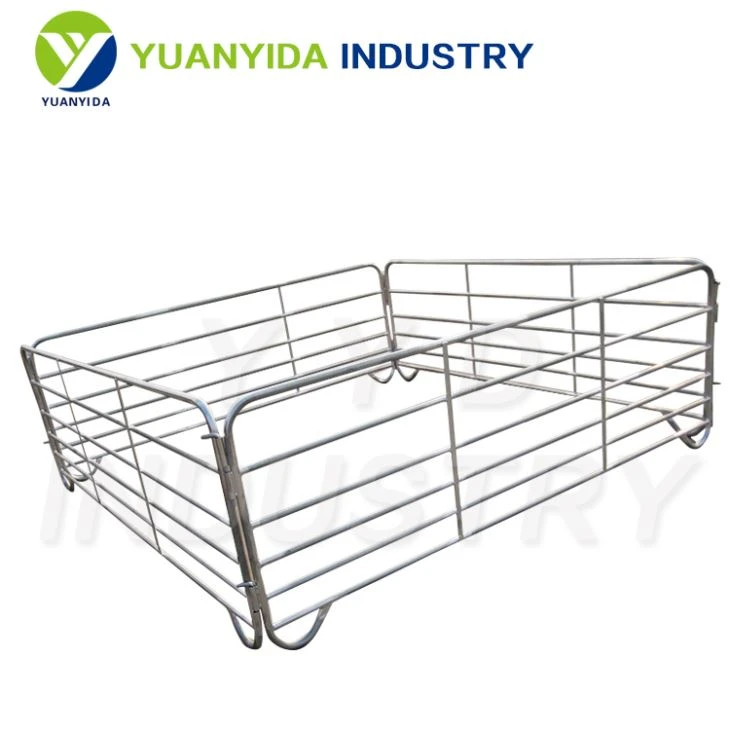
In addition to hay feeders, there are other important pieces of livestock equipment that can enhance the well - being of your animals. For example, Sheep Fence Panel Sheepfold is essential for keeping sheep safe and contained. It provides a secure boundary for your sheep, preventing them from wandering off and protecting them from predators.
Calf Housing Design is also crucial. A well - designed calf housing provides a comfortable and healthy environment for calves. It can protect them from extreme weather conditions, reduce the risk of diseases, and promote proper growth and development.
Cattle Way Module with Working Gate is a great addition to any cattle farm. It allows for easy movement of cattle within the farm and provides a controlled way to handle them during various management procedures.
Choosing the Right Hay Feeder
When choosing a hay feeder, several factors need to be considered. Firstly, the type of animal you are feeding is important. Different animals have different feeding habits and requirements. For example, horses may need a feeder with a larger opening to accommodate their large heads, while sheep may do well with a smaller, more enclosed feeder.

Secondly, the size of your herd or flock matters. If you have a large number of animals, you may need a larger feeder or multiple feeders to ensure that all animals have access to hay.
The durability of the feeder is also a key consideration. You want a feeder that can withstand the elements and the wear and tear caused by animals. High - quality materials such as galvanized steel or heavy - duty plastic are often a good choice.
Maintenance of Hay Feeders
Proper maintenance of hay feeders is essential to ensure their long - term effectiveness. Regularly clean the feeder to remove any leftover hay, dirt, or debris. This can prevent the growth of mold and bacteria. Check the feeder for any signs of damage, such as cracks or loose parts, and repair them promptly.
If the feeder is made of metal, it may need to be painted or coated periodically to prevent rusting. For plastic feeders, avoid exposing them to direct sunlight for long periods, as this can cause the plastic to degrade.
Conclusion
In conclusion, hay feeders are an excellent solution for keeping hay off the ground. They reduce hay wastage, prevent contamination, and improve the overall health of your animals. By choosing the right hay feeder and maintaining it properly, you can ensure that your animals have access to clean, nutritious hay.
If you're interested in purchasing high - quality hay feeders or other livestock equipment, we are here to assist you. Our team of experts can help you select the most suitable products for your specific needs. Contact us today to start a discussion about your livestock feeding requirements. We look forward to partnering with you to provide the best solutions for your farm.
References
- Journal of Animal Science. "Impact of Hay Feeders on Hay Wastage and Animal Health."
- Research project on "Nutritional Value Retention of Hay in Feeders."


