


Do Casters have a water - proof property?
As a supplier of casters, I often get asked about the waterproof properties of our products. Casters are used in a wide range of environments, from dry indoor spaces to wet and humid outdoor areas. Understanding whether casters are waterproof is crucial for customers who need them to perform well in various conditions. In this blog post, I'll delve into the topic of caster waterproofing, exploring the factors that affect it and the different types of casters and their waterproof capabilities.
Factors Affecting Caster Waterproofing
Several factors determine whether a caster can be considered waterproof. The first is the material used in the construction of the caster. Different materials have different levels of resistance to water.
-
Wheel Material
- Plastic: Plastic wheels, such as those made from Polypropylene (PP) or Polyamide (PA), have varying degrees of water resistance. PP is a relatively water - resistant plastic. It has a low water absorption rate, which means it can withstand exposure to water without significant damage. 125mm PP Caster is a good example of a caster with a PP wheel that can be used in moderately wet conditions. PA, on the other hand, while strong and durable, has a higher water absorption rate compared to PP. In long - term exposure to water, PA wheels may absorb water, which can lead to swelling and a decrease in performance.
- Rubber: Rubber is a naturally waterproof material. It has excellent resistance to water and is often used in applications where waterproofing is a priority. 125mm Rubber Caster is ideal for wet environments, such as in kitchens, bathrooms, or outdoor areas where water may be present. Rubber wheels can also provide good traction on wet surfaces, reducing the risk of slipping.
-
Bearing Type

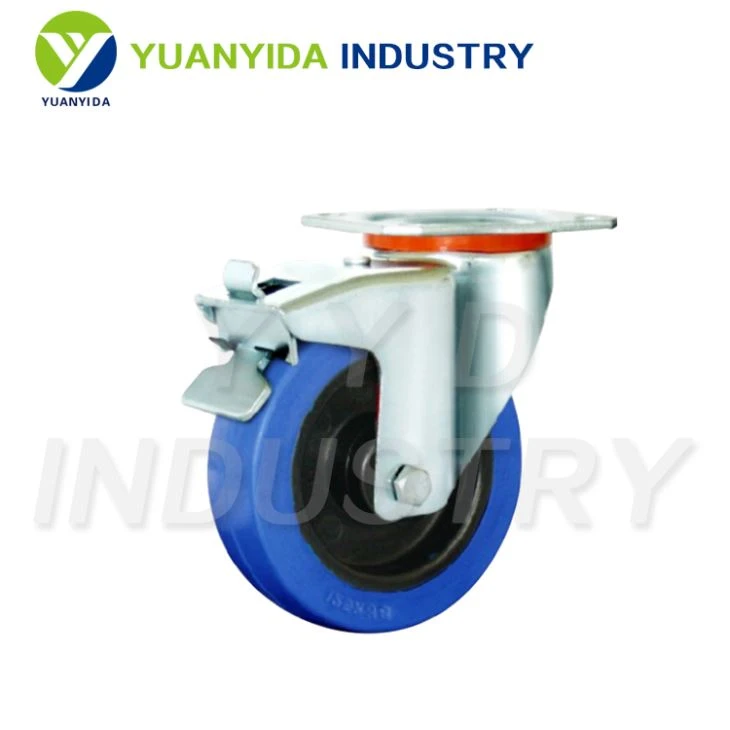
- The bearings in a caster are another critical component when it comes to waterproofing. Bearings can be either sealed or unsealed. Sealed bearings are designed to prevent water and dirt from entering. They are typically filled with a lubricant that helps to keep the bearing moving smoothly even in wet conditions. Unsealed bearings, on the other hand, are more vulnerable to water damage. Water can enter the bearing, causing corrosion and reducing its lifespan.
-
Mounting Hardware
- The mounting hardware, such as the stem or plate, also plays a role in waterproofing. If the mounting hardware is made of metal, it can rust when exposed to water. Stainless steel is a popular choice for mounting hardware in wet environments because it is highly resistant to corrosion. However, if the metal is not properly coated or treated, it can still be susceptible to water damage.
Types of Casters and Their Waterproof Capabilities
- Swivel Casters
- Swivel casters are designed to rotate 360 degrees, providing greater maneuverability. In terms of waterproofing, the same factors as mentioned above apply. For example, a swivel caster with a rubber wheel and sealed bearings is likely to be highly waterproof. These types of casters are commonly used in industrial settings where there may be water spills, such as in food processing plants or car washes.
- Rigid Casters
- Rigid casters only move in a straight line. They are often used in combination with swivel casters to provide stability. Similar to swivel casters, the waterproofness of rigid casters depends on the wheel material, bearing type, and mounting hardware. A 125mm PA Caster used as a rigid caster may be suitable for light - duty applications in a moderately wet environment, but for heavy - duty and long - term exposure to water, a caster with a rubber wheel and stainless - steel mounting hardware would be a better choice.
Testing Caster Waterproofing
To ensure the quality of our casters in terms of waterproofing, we conduct various tests. One common test is the immersion test. In this test, the caster is submerged in water for a specific period of time, and then we check for any signs of water damage, such as rust on the mounting hardware or a decrease in the performance of the bearing.
We also perform a spray test, where water is sprayed onto the caster at a certain pressure and angle. This simulates real - world conditions where the caster may be exposed to splashes or light rain. After the spray test, we examine the caster to see if any water has penetrated the critical components.
Applications of Waterproof Casters
- Industrial Applications
- In industrial settings, waterproof casters are essential. For example, in the chemical industry, where there may be spills of water - based chemicals, casters need to be able to withstand these substances without being damaged. In the food and beverage industry, casters are used on equipment that is frequently washed down with water, so waterproofing is crucial to prevent contamination and ensure the longevity of the equipment.
- Commercial Applications
- In commercial buildings, such as supermarkets and restaurants, waterproof casters are used on carts and equipment. Supermarket shopping carts are often exposed to rain when customers take them outside, and restaurant kitchen equipment may be cleaned with water. Casters with good waterproof properties can ensure smooth operation and a longer lifespan.
- Outdoor Applications
- For outdoor use, such as on garden equipment or mobile storage units, waterproof casters are a must. They need to be able to withstand rain, snow, and other environmental conditions without deteriorating.
Maintenance of Waterproof Casters
Even though waterproof casters are designed to resist water, proper maintenance is still necessary to ensure their long - term performance. Regular cleaning is important to remove any dirt or debris that may accumulate on the caster. This can prevent the build - up of substances that could potentially damage the caster over time.
If the caster has been exposed to saltwater or other corrosive substances, it should be rinsed with fresh water as soon as possible. This can help to prevent corrosion and extend the lifespan of the caster.
Conclusion
In conclusion, not all casters have the same waterproof properties. The waterproofness of a caster depends on several factors, including the wheel material, bearing type, and mounting hardware. At our company, we offer a wide range of casters with different levels of waterproofing to meet the needs of various applications. Whether you need a caster for a wet industrial environment, a commercial setting, or outdoor use, we have the right solution for you.
If you are interested in purchasing casters and have specific requirements regarding waterproofing, please feel free to contact us for a detailed consultation. We are committed to providing high - quality casters and excellent customer service.
References
- ASTM International. "Standard Test Methods for Evaluating the Water Resistance of Materials." ASTM Annual Book of Standards.
- Machinery's Handbook, 31st Edition. Industrial Press, Inc.


