


Hey there! As a supplier of sheeted calf panels, I often get asked about the weight of these panels. It's a crucial factor for many farmers and livestock owners, especially when it comes to transportation, installation, and overall handling. So, let's dive into what determines the weight of a sheeted calf panel and why it matters.
What Influences the Weight of a Sheeted Calf Panel?
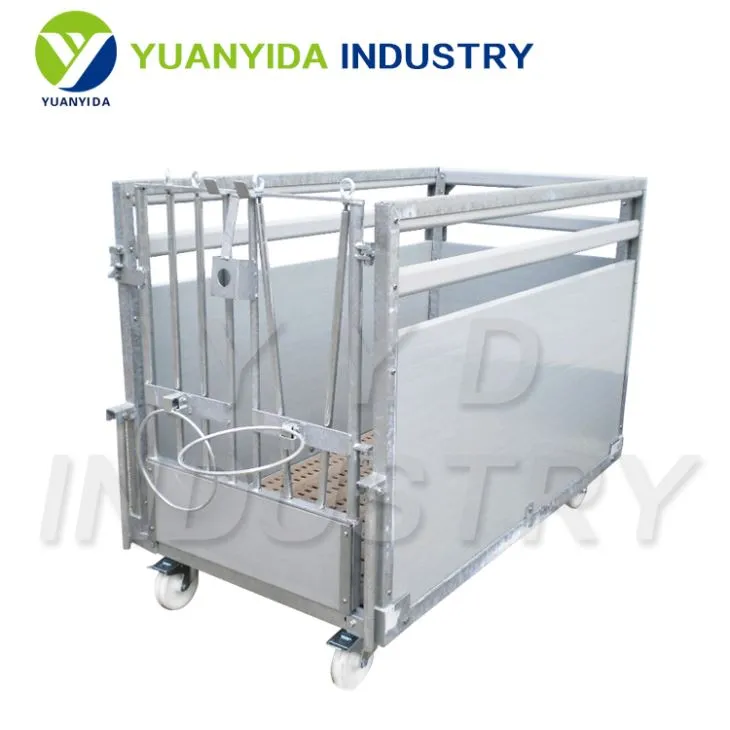
First off, the materials used play a huge role. Most sheeted calf panels are made from a combination of metal frames and sheeting. The type of metal can vary. For example, steel is a common choice because it's strong and durable. However, different grades of steel have different densities, which directly affect the weight. A high - grade, heavy - duty steel will make the panel heavier compared to a lighter - gauge steel.
The sheeting material is another key factor. Some panels use plastic sheeting, which is relatively lightweight. On the other hand, metal sheeting, like galvanized steel sheets, adds more weight. The thickness of the sheeting also matters. Thicker sheets will naturally make the panel heavier, but they also offer more durability and protection for the calves.
The size of the panel is also significant. Larger panels cover more area, which means they require more materials, and thus, they weigh more. A standard small - sized sheeted calf panel might be around 4 feet by 6 feet, while a larger one could be 8 feet by 10 feet or even bigger. The increase in dimensions leads to a proportional increase in weight.
Why Does the Weight Matter?
The weight of a sheeted calf panel has several implications. When it comes to transportation, a heavier panel might require more powerful vehicles and could potentially increase shipping costs. If you're transporting a large number of panels, the combined weight can quickly add up, and you need to ensure that your transportation method can handle the load safely.
Installation is another aspect. Heavier panels can be more challenging to maneuver and install. You might need more manpower or specialized equipment to lift and position them correctly. On the other hand, lighter panels are generally easier to handle, which can save time and labor during the installation process.
In terms of long - term use, the weight can also affect the stability of the panel. A heavier panel is often more stable and less likely to be knocked over by the calves or strong winds. This can provide better protection for the animals and reduce the need for frequent repairs or adjustments.

Typical Weights of Sheeted Calf Panels
Based on my experience as a supplier, a small - to - medium - sized sheeted calf panel with a steel frame and plastic sheeting might weigh around 20 to 30 pounds. These are great for smaller operations or for areas where weight needs to be kept to a minimum.
If you opt for a panel with a metal frame and metal sheeting, the weight can range from 50 to 100 pounds or more, depending on the size and the thickness of the materials. Larger panels with heavy - duty construction can easily exceed 100 pounds.
Comparing with Other Livestock Equipment
It's interesting to compare the weight of sheeted calf panels with other types of livestock equipment. For example, the Calf Module with Working Gate is a more complex piece of equipment. It's designed to provide a complete housing solution for calves and often includes multiple components like gates and partitions. Due to its larger size and more elaborate construction, it can weigh significantly more than a single sheeted calf panel.
The Mobile Calf Box is another option. It's designed to be movable, so it's usually built with a focus on being relatively lightweight while still providing adequate protection for the calves. However, it still weighs more than a simple sheeted calf panel because it has a more enclosed structure.
The Calf Race Module Aisles are used for guiding calves during handling and medical procedures. They are typically made of sturdy materials to withstand the movement of the animals. Their weight can vary depending on the length and width, but they generally fall in a similar weight range as larger sheeted calf panels.
Making the Right Choice
When choosing a sheeted calf panel, the weight is just one of the factors to consider. You also need to think about the durability, the level of protection it offers, and your budget. If you have a large operation and can afford the additional cost of transportation and installation, a heavier, more durable panel might be the best choice. On the other hand, if you're on a tight budget or have a smaller setup, a lighter panel could be more suitable.
If you're still not sure which type of sheeted calf panel is right for you, don't hesitate to reach out. We're here to help you make an informed decision based on your specific needs. Whether you're looking for a lightweight panel for easy installation or a heavy - duty one for maximum durability, we've got you covered.
Conclusion
In conclusion, the weight of a sheeted calf panel is influenced by factors such as the materials used, the size of the panel, and the type of sheeting. It matters in terms of transportation, installation, and long - term use. By understanding these factors, you can make a better choice when it comes to purchasing sheeted calf panels for your livestock operation.
If you're interested in learning more about our sheeted calf panels or any of our other livestock equipment, feel free to contact us. We're always happy to discuss your requirements and provide you with the best solutions for your farm.
References
- General knowledge from years of experience in the livestock equipment industry.
- Discussions with farmers and livestock owners about their needs and experiences with sheeted calf panels.


